Friday, August 31, 2012

Boost Your Baby Potential


7 Foods To Eat and 4 Things To Avoid To Increase Your Fertility

1. Flaxmeal Ground flaxseeds provide phytoestrogens which help balance hormones, are an excellent source of omega-3 oils and provide soluble fibre for your bowels. Buy an electric coffee and spice grinder for $30 from Kmart to freshly grind your flaxseeds every morning adding 1-2 Tb to your cereal or smoothie. If you want to pre-grind, keep in an airtight jar in the freezer to avoid rancidity.

2. Avocados Avocados are the perfect fertility food and even look like your uterus! They are high in vitamin E, which is essential for nourishing the reproductive system and acts as an antioxidant for your eggs, protecting them from damage or ageing. Half an avocado a day when in season is my fertility trick.

3. Oily Fish Sardines, trout, cod and salmon all contain omega-3 oils which are essential to hormone production as well as keeping your eggs supple and hydrated. These omega-3 oils also decrease inflammation, thereby helping implantation of the embryo into the uterus lining and decreases the risk of miscarriage that can be caused by an over active immune system. I tell my clients to include oily fish 3 times a week in your diet.

4. Broccoli Broccoli detoxifies environmental chemicals and pollutants that build up in the body and regulates excessive oestrogen, which is more common in women over 35.

5. Red Meat Iron is essential for energy, circulation and building the placenta in the first trimester. Protein is also the building block of hormones and helps control sugar cravings. I recommend 100g of lean red meat 3 times a week to my clients.

6. Dark Green Leafy Salads Leafy greens are full of folate, or folic acid, which is essential for cell replication throughout pregnancy as well as prior. They are also high in magnesium which is needed for muscle relaxation eg. uterine cramping and for blood sugar control. Eat like Popeye everyday so include plenty of spinach, rocket, baby spinach, mustard greens, endives, kale and bok choy in every meal.

7. Butter For lean or underweight women whose hormones are deficient, eating one teaspoon a day of organic butter provides healthy cholesterol which is the building block of hormones.

Any couple trying to conceive should avoid caffeine, alcohol, cigarettes and drugs. Caffeine decreases calcium and iron absorption by 39%, is related to hormonal imbalances and increased risk of miscarriage. Alcohol affects the level of oestrogen and progesterone, is associated with menstrual cycle changes and inhibition of ovulation. Studies indicate there is no safe threshold of alcohol consumption in pregnancy. Evidence also indicates that smoking reduces the chances of conceiving by 10% to 40% per cycle and causes about 5,000 miscarriages a year.

A healthy body is a fertile body so start making changes today!


Monday, August 27, 2012

Spring Specials


Spring Special: 25% off initial consultation price for new clients for the month of September so if you've ever thought about seeing a Naturopath or Nutritionist, here's your chance! Call 9389 6000 or email me today info@claudettewadsworth.com.au

Change of Clinic Days: as of September I will be changing my clinic days in Bondi Junction to Thursdays 10am - 8pm and Fridays 8am - 7pm so come in for a Thursday late night consult til 8pm! I will still be practicing at The Jocelyn Centre in Clarence St CBD on Wednesdays 2- 7.30pm.

I am currently away for 2 weeks and return to business on Wednesday 5th September at The Jocelyn Centre in Clarence St in the city and Thursday 6th September at Soultonik in Bondi Junction.

Friday, August 24, 2012

Spring Into Action - How to Set Your Libido on Fire!


Testosterone is the hormone that fuels our sexual desire. Although regarded predominantly as a male hormone, some testosterone is needed in women as well. Symptoms of deficiency can include low energy and a non-existent sex drive. However, low libido can be due to stress, over-work and exhaustion, dietary deficiencies, alcohol and drug use, self esteem issues, communication breakdown in relationship, hormonal imbalances, peri-menopause, or emotional or mental upset. I often remind patients that libido is a by-product of good health physically, emotionally and mentally.

Aphrodisiac Keys:

  • Zinc is crucial for sexual reproduction and hormonal production. A quick zinc taste test will show whether you are deficient and white specks on your fingernails is often a telltale sign. Zinc is obtained in pumpkin seeds (pepitas), meat and oysters as well as supplements if you are deficient.
  • Pump Iron - working out with weights increases your natural testosterone levels and libido in both men and women so start some resistance training. If you are underweight or overweight, this will negatively impact your sex drive and hormonal balance so aim for a healthy weight for your height and build.
  • Herbal Love Potions - Several herbs are renowned for boosting libido and testosterone, specifically Tribulus, Damiana, Withania and Saw palmetto. However, these should be prescribed by a qualified herbalist as they can cause hormonal imbalances if they are not appropriate for the individual.
  • Belly Laugh - Laughter reduces the stress hormones, adrenaline and cortisol, and triggers the release of endorphins, our feel-good chemicals, which relieves muscular tension and stress, heals hurts and resentments and unites people. So to destress, reconnect and freshen up your relationship or simply put a smile on your face and that of your partner, try a double endorphin cocktail of shared laughter, fun and play together in and out of the bedroom!
  • Sex on the Mind - Your libido is in your most important sexual organ, the one between your ears (not your legs). The more you think about sex, read sexy books whether it be erotic stories, romance novels or sex articles, think sexy, dress up in sexy clothes that make you feel good, the more your brain becomes sexual and begins to want more.
  • Sensual Touch - the brain doesn't require orgasm as the most important factor to determine that sex feels good. Hormones such as oxytocin (called the "cuddle hormone") are released through sensual and sexual touch as well, not just through orgasm. If your partner is having trouble climaxing, the best way to enjoy sex is to take away the goal of orgasm. 
  • Healthy Diet - A healthy diet cannot be underestimated in sex drive and hormone production. Eat plenty of vegetables, salads, lean protein, omega 3 oils such as oily fish, avocado, walnuts, olive oil, nuts and seeds everyday. Avoid sugars, fried foods, fast food, caffeine and alcohol which deplete the body of vital nutrients. 

These natural health tips will get your mojo back into action but occasionally low libido can be a sign of other serious illnesses. If your libido is low for an extended period of time, or if you have other health concerns, see a health professional.

Remember you are the sex god or goddess!

Tuesday, August 21, 2012

Travel Bug Bites!


By the time you read this I'll be on a plane headed to the glorious mountains of Colorado. Since I've had more than my fair share of travel in many exotic and off-the-beaten-track destinations, friends often ask me for travel advice so I thought I'd share a few personal tips I've collected over the years since I started backpacking at the age of 21.

Firstly, I always do my homework reading up on my destination, even if it's last minute on the plane - got to wile away those hours! Even if plans go out the window, which is actually the best part of travelling - not having to be tied to a timetable of terribly important commitments and appointments - you will have an idea of what you want to include or perhaps best to avoid so you don't walk into a cute grizzly bear and her cubs.

Secondly, try and pack as light as possible. Now I actually find this exceedingly difficult as I'm such a be-prepared-for-anything girl but I've honed my skills down over the years and it is always so much more enjoyable if you're not lugging a heavy suitcase around and then you have room for those spontaneous shopping treats. Wear your heavy shoes and jacket onto the plane to lighten your luggage.

Quick packing tips:
  • Pack breathable, natural fibres that you can re-wear without washing if necessary and not smell like a homeless beggar and which don't crease as much, such as wool and silk, or at least cotton.
  • Roll all your clothes when packing as they will unpack without so many creases so you can avoid ironing, given you are on holiday, and they take up less space this way so you can fit more into your bag. Stuff your undies, socks and t shirts into your shoes or corners of the bag.
  • Being a Naturopath, there's always a stack of vitamins I want to take with me so count out exactly how many you want of each for the trip and put into zip lock bags or a plastic pill box. The same goes for medications and anything that needs refrigeration wrap in aluminium foil to keep it as cool as possible. 
  • I hate plastic bags as they will finally breakdown well after I'm dead but I must concede they are perfect for travelling. They help organise your bag into sections, keep dirty clothes well away from clean, stops your moisturiser leaking all over your clothes - very important!
  • Depending on the weather, I always pack a sarong which can double as a towel, a scarf or a skirt. If I'm travelling into winter, I take a wool pashmina which you can wrap around your kidneys to keep warm, use as a scarf, an extra blanket, to lay over your legs on planes or trains, bundle up as a pillow, to brighten and smarten up your travelling clothes. Take it in your hand luggage onto the plane as the temperature is usually freezing I find, along with a thick pair of socks for once you kick off your shoes. 
  • Always pack one easy, throw-on, evening or party dress - you never know when or where you might end up! Silk is best as any creases smooth out when you hang it out in a hot steamy bathroom while you shower. You don't need to take jewellery or accessories to go with it - your natural, beauty and holiday exuberance will be the perfect match. You also don't want to be travelling with expensive or favourite jewellery pieces anyway as the potential for being lost or stolen is always higher when travelling as well as being a magnet for thieves.
  • Minimal is the key with your beauty products, ladies! Try Jojoba oil which is the closest oil to our natural skin oils which you can use for cleansing, face cream and body cream. I also drop into department stores and ask for “testers” of my favourite products, shampoo etc
  • Buy a pair of walking/running/gym shoes that are presentable enough as a day shoe as well. 
  • Tie a coloured ribbon onto your suitcase/backpack so then you can easily identify your bag as it rolls out amongst the multitude of identical bags so you can get through customs faster. It also adds character to your bag and cheers your spirit after a 12+ hour flight.
  • As soon as I'm off the plane, I try and go for a swim as soon as possible or at least have a bath or shower as the water (salt water preferrably) helps take the radiation and vibration out of the body which my travel expert mother has always taught me. Try it - it really makes a difference!
Naturopath's Travel Chest:
  • Temperature-stable (so it doesn't need refrigeration) Probiotic (good bacteria) with Lactoferrin and SB (Saccharomyces boulardii) - this is antibacterial, antiviral, antifungal, aids in relief of travellers' diarrhoea, supports your gut health while travelling.
  • The most common complaint of travelling is constipation - different foods, new environments, sitting for hours on planes and in airports all take its toll! Keep walking wherever you can - up and down airport corridors while waiting for the next flight - to keep it all moving along and good for your circulation, drink heaps of water (3L a day to compensate for planes and hotel air conditioning) and take your own on planes when you can. I always travel with a pack of prunes - soak 2 overnight in a glass of water and eat it all first thing in the morning. If you know your system really shuts down, then go for a stronger herbal tablet. I also carry roasted dandelion teabags which help.
  • Echinacea tablets - keeps your immune system boosted, prevents colds and flus, if you get any infection, infected cut, 'flu or gastro, you can triple the dose safely and usually knock it on the head quickly. 
  • Good multivitamin as often your diet can be rather haphazard when travelling so it helps keep your energy levels high, especially if you are on the go, packing in as much as you can like me!
  • Chia seeds - light and highly nutritious, especially high in omega 3 oils which are more difficult to obtain when travelling as well as extra fibre for your bowels - pour into a zip lock bag and you only need 1 tsp per day.
  • Ear plugs and eye mask - you may feel ridiculous but you'll look better than anyone else when you walk off that plane. Planes are an excellent place for meditation as well and I always take a relaxation/visualisation track to drown out the noise when everything around me is too distracting. 
  • Rose essential oil - it comes in a small 12ml bottle which you can slip into your handbag. I use it as perfume as commercial perfumes are a toxic chemical concoction that defies rationality! Since it is only 5% in jojoba oil you can use neat on your skin to calm irritations, on acne breakouts, quietens the nerves and is the ultimate female oil to bring out your inner goddess.
  • Chamomile tea bags - my favourite to calm the mind and body, use as an eye wash or to relieve inflamed skin and calms the digestion after eating unusual foods often at irregular travel hours.
  • Almonds - helps you avoid awful airport food which is simply sugary and oily trans fats.
Bon voyage!

Wednesday, August 15, 2012

Top 10 Tips to Happiness

The industry of happiness is becoming big business with experts and gurus from Deepak Chopra to Robert Holden so what makes life sweeter and more satisfying? "Your happiness is with you 100 percent of the time" says Robert Holden but the reason we do not always feel it, is we are too busy giving ourselves a hard time. It starts with a choice so "remind yourself often that happiness is not something to achieve. Happiness is something you accept."

Surprisingly, Holden has found that life circumstances have little to do with being happy and more to do with knowing how to enjoy life and make positive choices regardless of how much you earn, how well you have performed or what house you live in. As such, the more authentic you are or the more you simply be yourself  and live by what really matters to you, the more happiness you experience.

Top 10 Tips to Happiness include:

  1. Follow your Joy - whatever brings you that zest or makes you laugh, do it!
  2. Happiness is a Choice - change your attitude and allow today to be even more enjoyable than you thought it would be.
  3. Clarity - live by what really matters to you and your values. There are so many choices but feel what resonates with you as having them all won't make you any happier.
  4. Let Go - release grievances and forgive. You can't change the past and the person who it is really hurting is yourself.
  5. Give Love - no matter what is happening, love through it. Make it your daily intention, mantra, prayer, meditation to love despite and because of everything!
  6. Express Gratitude - make a list of everything you are grateful for in your life - the fabled shortcut to happiness.
  7. Create your own Financial Wellbeing - living within your means relieves you of enormous pressure.  Research shows people with financial wellbeing don't get into debt and spend money on experiences rather than things. Giving to a cause or charity can make you feel better about yourself and connects you with something bigger than yourself and to your community. 
  8. Nourish Yourself - Make time for yourself and start listening to your real desires and needs. Spend an hour a week to fill your self-love bank account with something you really love doing or to nourish yourself.
  9. Exercise and Sleep - both are critical for a positive mindset, to reduce stress and to make healthy eating choices. Even if it's a half hour walk a day, get into the habit today - where in your day can you fit it in? Walk to work, walk up escalators, go outside for lunch. Exercise improves your sleep so get to bed early and avoid caffeine!
  10. Friends - communicating with at least 2-3 people that you consider true friends on a regular, if not daily, basis helps foster trust and support. Friendship is not something you are given but which you develop by putting in time and effort. Surround yourself with people who make you feel good about yourself and with whom you can share. There's nothing better than having a laugh with a friend!

Wednesday, August 8, 2012

Health Tips So You Perform Like An Olympian

1. Hydrate Hydration is the key to optimising your performance. The simplest advice is to drink enough water prior to exercise to avoid dehydration, but avoid over-drinking which can increase the risk of hyponatremia, not enough sodium or salt. But how much is enough? That depends on how much sweat you're losing, which you can gauge by stepping on a scale before and after a workout. If you lose more than 2% of your body weight (e.g. 1.4kg for 70kg runner) increase your fluid intake next time out. If you have gained any weight at all, cut back in future sessions. If you are a heavy sweater, or if you finish workouts with your skin and clothes caked with white residue, your diet should contain enough salt to replace those losses. Gatorade is popular but it is also full of artificial colouring and flavouring, making it not the best choice. Alternatively you can make your own electrolyte drink with 1 tsp of salt to a litre of diluted apple juice. Coconut water is also a natural and excellent source of electrolytes for re-hydration.  Ask yourself 3 questions each morning: 1) Am I thirsty? 2) Is my urine dark yellow? 3) Is my body weight down more than 2% from the dark before?

2. Fuel Your Body Proper is essential for optimum performance. Never skip meals when training as it slows your metabolism down and hinders your performance. Skip the sugars, lolly binges and junk food - many athletes believe they can eat anything because they will simply burn it off! However, unless you are exercising more than two hours, sugars will only lower your immune system, cause blood sugar spikes and pits, fatigue, mood swings and deplete you of minerals e.g. Magnesium. Every meal should have a portion of protein to help with muscle repair and recovery. Plan ahead - never leave the house without healthy snacks e.g fruit and nuts.

3. The 80/20 Rule Eat 80% of the time to nourish and fuel your body but we are all human, so it is alright to give yourself a treat once a week. Also by never getting hungry and never getting too full, you will allow your metabolism to work for you rather than against you. You lose weight faster and increase your energy by eating more often, rather than starving for hours and then overeating.

4. Timing Is Everything Your meal before a race should ideally be eaten two hours prior consisting of medium GI carbohydrates (not wholegrain as it is difficult to digest) e.g. nut spread on wholemeal toast with fruit. After exercising, you have a 20 minute window in which to replenish your muscle glycogen stores. Muscles that are not refueled can lead to a reduction in lean muscle mass. Most professional athletes will take the time to eat their meals, something the rest of us should follow to improve digestive and give the body a more accurate sense of feeling full. Avoid eating on the run - give yourself 20 minutes to sit and eat.

5. Banish The Gremlin In the weeks or months prior become aware of your negative self talk and practice refocusing your attention on your training. Visualise your race from your preparation prior, your warm up, your race plan and final outcome. Actually imagine and feel yourself in the race so that it becomes second nature to you, convincing the brain that this is exactly how you will perform. To keep your mind on track write some positive affirmations on your ultimate racing ability!

6. Rest And Repair If you are doing more than 1 hour of exercise a day, you will need to rest and sleep more than usual so listen to your body! Nominate a rest day each week when you do no exercise to allow your body to rest and repair and you will find that you perform better and faster for the rest of the week. Most people forget but stretching after you exercise when the muscles are warm helps reduce lactic acid, muscle soreness and stiffness. Deep breathing helps control stress and nerves, which athletes report improves cardiovascular endurance and less fatigue. Breathe in through the nose for 4 seconds and out for 6 seconds.

7. Grab Your Own Gold Medal Everyone has their own Olympic Games - no matter how small or big. The most important thing is not winning, but simply to take part. Just as the most important thing in life is not the goal in the end but the journey. So have a go and enjoy it! With a positive attitude, miracles can occur. Go for it!


Wednesday, July 25, 2012

Book Your August Consultation Soon


Chasing the mountain sun! I'm heading over to the USA from 21st August - 4th September. This trip will be mainly business, with a touch of pleasure thrown in (yippee). I will be going to the Wake Up Festival in the beautiful mountains of Colorado and to do the DNA 3 ThetaHealing course in Idaho Falls. My practice will be closed for 2 weeks so book your appointments now for August as they are filling up fast. I will be back in practice on 5th September revitalised and inspired with all of the latest health tips and tricks.


Tuesday, July 24, 2012

Lemon and Thyme Poached Blue Eye Cod with Leek Quinoa and Steamed Vegetables


Blue Eye Cod is a deep sea fish (wild, not farmed) and is rich in Omega 3 oils. Quinoa is a gluten-free South American grain eaten by the Incas, that has been touted as a superfood due to its high vitamin and mineral content. This dish is mixed with the crisp flavours of lemon, thyme and leeks.

Ingredients - Serves 2
- 3/4 cup quinoa
- 1 1/2 cup of water
- 2 Blue eye cod fillets
- 1 Tb Extra virgin olive oil
- Juice of 1 lemon
- 1/2 tsp dried thyme
- 1 tsp grated lemon zest
- 1 Tb of coconut oil
- 1/4 bunch of finely chopped parsley
- 1/2 sliced leek
- 1/2 head of broccoli
- 1 large carrot, peeled and sliced lengthways
- 1 bunch of bok choy sliced in half

Cooking Instructions:
Preheat oven to 180 degrees Celsius. Place Blue eye cod fillets in baking dish with olive oil smeared over them. Add 1/2 cup of water to the baking dish. Sprinkle with dried thyme, juice of half a lemon and salt and pepper to taste. Place in the oven, covered with a lid for 30-40 minutes, depending on thickness of fillets.

Bring quinoa and 1/2 cup of water to boil in a small saucepan. Reduce to a simmer, cover and cook for 10 minutes. Turn off the heat and leave the covered saucepan on the stove for another 5 minutes.

Melt 1 Tb of coconut oil in a frying pan and quickly cook sliced leek until soft. Add quinoa, juice of half a lemon, 1 tsp of lemon zest, chopped parsley and salt and pepper to taste. Heat through for 1 minute, then remove from stove.

Place carrots and broccoli in steamer and lightly steam for 3 minutes. Add bok choy and steam for a further 1 minute.

Arrange on plate with blue eye cod, quinoa and steamed vegetables.

By Claudette


Wednesday, July 18, 2012

Should I Or My Children Have The HPV Immunisation?

Following on from yesterday's blog about the dreaded, but ever so important Pap smear, I thought it apt to share some of the research evidence that has come to light about the new HPV vaccine, Gardasil.

Australia is the first country in the world to administer the HPV immunization initiative. Gardasil is a genetically engineered vaccine given free to all girls aged 12-17 years and as announced recently, to boys aged 12-13 years from 2013 in Australia. It contains only 4 types out of the 100 strains of HPV, so it does not prevent infection from all strains. Gardasil has been shown in studies to reduce the incidence of CIN II precursor lesions but, as has been raised by many doctors, it is unlikely to reduce the level of cancer. It is well known that a healthy immune system naturally clears any HPV infection within 2 years anyway and Pap smears are still necessary every two years, despite vaccination. 

Federal Health Minister Tanya Pilbersek has stated "We know that it's a safe vaccine". However, according to information obtained by Channel 7 under a Freedom of Information claim, 681 reactions to Gardasil were reported to ADRAC (the Adverse Drug Reactions Advisory Committee) as of January 30, 2008 with more than a third of these women not recovered after 6 months. The Journal of the American Medical Association reports "It is important to emphasise that the vaccine is supported by limited efficacy and safety data".

The Health Minister, Tanya Pilbersek has stated that all vaccines in Australia undergo stringent testing by experts. Unfortunately, according to our own TGA (the Therapeutic Goods Administration), vaccines are not tested in Australia for either safety or effectiveness. Gardasil's pre-licensure tests were performed overseas and were funded by the manufacturer of the drug. During this testing, 17 deaths were reported and a very large number of reactions (more than 90% of those tested reported at least one systemic reaction). Despite this, the vaccine is registered for use in Australia.

On 12 January 2012 the Annals of Medicine published a ground-breaking peer-reviewed paper written by renowned researchers Tomljenovic, PhD, and Shaw, PhD from University of British Columbia, Canada, citing that the HPV vaccine is neither justified by long-term health benefits (what, if any, is yet to be proven), economically viable, nor is there any evidence (even if it is proven effective against cervical cancer) that it will reduce the level of cervical cancer beyond what Pap screening has already achieved.

Long term effects of the vaccine are unknown but there have been reports of autoimmune diseases including arthritis and multiple sclerosis. The list of serious adverse reactions to the vaccine as detailed by The Financial Times and the Sunday Telegraph (06/07/2008) include fever, hyperventilation, bronchospasm, anaphylaxis, tinnitus, tremors, tingling, paralysis, Bells Palsy, Guillian-Barre Syndrome, blood clotting, chronic fatigue syndrome, deep vein thrombosis, seizures and deaths.

Four Melbourne school girls were rushed to hospital after receiving the vaccine in 2007. India halted trials of the vaccine in 2008 due to a number of deaths of the women involved. The European Medicines Agency reports 16 deaths of women after being given the vaccine in Austria and Germany. In the USA the numbers are increasing every year. The causes of death include blood clots, acute respiratory distress, cardiac arrest and "sudden death due to unknown cause", which are obviously uncommon for teenagers! The vaccines must not be given during pregnancy as it causes spontaneous abortion and foetal abnormalities.

There is also concern it will encourage young women to have unprotected sexual intercourse at a younger age without concern of HPV infection, which is untrue as only 4 types of HPV are covered. The vaccine also contains aluminium as an adjuvant which is a toxic heavy metal for the nervous system. 

Considering the above evidence, I do not recommend the Gardasil vaccine to be given to anyone regardless of age or gender.


Tuesday, July 17, 2012

Why do I need to have Pap Smears?

Pap Smears test for cervical dysplasia, which is an abnormal growth of the epithelial cells of the cervix. If left undiagnosed and untreated, then it can eventually progress to cervical cancer.

However, cervical cancer is a largely preventable and curable disease as it slowly progresses through recognisable stages. As there are no signs or symptoms of cervical dysplasia, regular Pap Smears every 2 years until 70 years of age is essential for all women who have been sexually active at any stage in their lives.

Human papilloma virus (HPV) is now regonised as the most important causative agent in cervical cancer. It is the most commonly acquired sexually transmitted infection in young, sexually active women spread via skin contact through vaginal, anal and oral sex, with condoms providing only limited protection. There are over 100 genotypes of HPV but not all of them cause cancerous cell changes. HPV types 6 and 11 commonly cause benign lesions such as genital warts which do not turn into cancer, while types 16 and 18 are most commonly found in cervical dysplasia and cervical cancer. However, in 90% of cases, the immune system naturally clears the HPV infection within 2 years.

Risk Factors

  • Compromised Immune System: A healthy immune function is necessary to clear HPV infection and prevent recurrence. Vitamin D deficiency has also been associated with cervical dysplasia and cancer and is essential for proper immune function. Food sources includes cod liver oil, butter, sardines, mackerel and milk. Have a walk in the sunshine everyday for 15 minutes.
  • Smoking is an independent risk factor for cervical cancer, so do your body a favour and quit!
  • Oral Contraceptive Pill: Long term use of the Pill increases risk of cervical cancer. This may be due to the high synthetic oestrogen levels or reduced nutrient absorption, especially B vitamins, Discontinued use 10 years or more returns risk to women who have never used it. Women who are taking the Pill should take a good quality multivitamin.
  • Sexual Activity and STIs: First intercourse at an early age and sexual promiscuity is associated with increased cervical dysplasia. Infection with other STIs such as Chlamydia, Herpes and HIV play a role as well. Make sure you get checked by your doctor.
  • Increased Oestrogens: HPV together with increased levels of 16a-hydroxyestrone increase the risk of cervical dysplasia and cancer. Balancing oestrogen and progestrone levels as well as clearing excess oestrogens via the liver and bowel is essential. Avoid alcohol and drugs, detoxify your liver, avoid constipation and improve your digestion. Herbal medicines help address any hormonal imbalance, so seek a qualified naturopath. 
  • Diet: High intake of fruit and vegetables is associated with reduced risk because they contain protective vitamins and minerals, so eat lots of colourful vegetables, salad and fruit everyday, especially Brassica vegetables such as broccoli, cauliflower, cabbage, Brussel sprouts. Drinking 2 cups of green tea a day has been shown to be beneficial. 
  • Malnutrition: A deficiency of folic acid increases the risk of persistent HPV infection and cervical cancer. Studies have found low selenium and zinc levels in cervical dysplasia patients. This is particularly important in Australia and New Zealand as we have very low Selenium levels in our soil. If you have an abnormal Pap smear, take extra Folic acid, Selenium, Zinc and Vitamin D.
Your body is your friend, not your enemy and loving it will speed up healing and bring it back into balance.  Make time in your life for things that boost your self-esteem and make you feel good about yourself. Start putting yourself first and avoid people who put you down or make you feel bad about yourself. Remind yourself daily of how vibrant, healthy, energised and magnificant your body really is!

Wednesday, July 4, 2012

Vanilla Chia Pudding with Pear and Rhubarb


This delicious, easy, sugar-free, nutritious dessert is perfect for a winter's treat, courtesy of Mama Chia.
As you have read before, chia seeds offer the most amazing nutritional benefits -
omega 3, fibre and protein and are jam packed with antioxidants.

Ingredients:
- 4 tbsp of chia
- 1.5 cup of water
- 3/4 cup of cashew nuts
- 2 medjool dates (pitted)
- 1 vanilla bean scraped or 1 tsp of vanilla extract
- contents of 1 chai tea bag
- 2 pinches of cinnamon
- 1 pinch of nutmeg
- 1/2 bunch of rhubarb
- 1 pear

Method:
1. On stove top steam pear and rhubarb, or add 1/2 cup of water
to make stewed rhubarb and pear
2. Soak chia in water for 30 minutes or until it turns to gel. In a blender combine with remaining
ingredients, (except rhubarb and pears) and combine until silky smooth
3. Pour chia mixture into cups, top with warm rhubarb and pear mixture and serve.

Serves 2-3

Thursday, June 28, 2012

What about the Natural Sweetener Agave?

Many people interested in staying healthy have switched to Agave as a safer "natural" sweetener. They want to avoid well documented high fructose corn syrup (HFCS) but are unaware that Agave is neither healthy nor natural. I actually wrote a blog on Agave back in 2010 and unfortunately these arguments still hold true. 

Where does Agave come from? Blue agave is an exotic plant growing in the rich volcanic soil of Mexico. Traditionally the nectar is made from the sap of the yucca or agave plant, producing a rich sweet natural syrup.

However, nowadays agave syrup is manufactured by converting the starch into a fructose-rich syrup using genetically-modified enzymes and a chemically intensive process involving caustic acids, clarifiers and filtration chemicals. There are very few quality controls in products coming from Mexico so residues of these solvents and chemicals often remain in the syrup upon testing.

Agave is touted as a healthy sweetener since it is low glycaemic, compared to table sugar. However, it is not low calorie, containing about 16 calories per teaspoon, about the same as  sucrose (table sugar) and it is composed of up to 92% fructose, making it sweeter than sugar.  Yes fructose is low glyceamic but excessive consumption of fructose also leads to blood sugar irregularities, high insulin levels and insulin resistance which is a precursor to diabetes, high triglycerides (bad blood fats), metabolic syndrome, uric acid formation and gout http://bit.ly/KxmZJF

There are also concerns that some distributors are cutting agave syrup with corn syrup and have unacceptably high pesticide residues, such as Hydroxymethylfurfural (HMF) which has potential toxic, mutagenic and carcinogenic effects.

Agave is nutrient void and is certainly not a whole food as some marketing I've read has claimed! Agave is a highly concentrated sweetener and is highly addictive. I do not recommend it to any of my clients and switch them off it immediately if they mention it. 

Stick to natural whole foods - if it comes in a bottle or packet, keep it to a minimum and remember the 90/10 rule - 90% for the body and 10% for the soul. Once you no longer need a dose of sugar everyday, you'll be able to see the real sweetness in your own life around you!

Wednesday, June 27, 2012

Sugar: Sweet Poison or Natural Treat?


With all the media coverage recently on sugar and Sarah Wilson's interview on 60 Minutes, I thought it would be apt to raise some questions: Is sugar really that bad for you? What does it actually do in the body? Why do I crave it? What alternatives can I use that are healthy? But I love my sweet treats, so how do I get rid of these cravings??!

I think it's really important not to demonize sugar. Sugar is a natural part of our food chain and our taste buds but the difference comes down to quantity and quality. In today's epidemic of obesity and diabetes, we do need to re-evaluate the way we eat and what we eat. Sugar is extremely addicitive (some equate it to heroin!). I have little sugar in my diet nowadays but like everyone, I fall off the bandwagon too occasionally and it's usually because I'm overtired, been pushing it too hard or feeling emotionally depleted and down. Many women think they can eat sweets and not put on weight if it doesn't contain any fat. This is a huge misconception as excess sugar that is not burnt off will be converted and stored as fat.

Is sugar really bad for you?
The problem with sugar is that it is hidden in so many foods nowadays under the guise of corn sweetener, dextrin, sorbitol. Soft drinks contain 6-12tsp of sugar in every can! Manufacturers know it will get people hooked on their product and keep buying it. Unfortunately as well, there are some really poor quality sugars being used in commercial products because they are cheap but they do a lot of damage in the body, such as high fructose corn syrup used in soft drinks, sweets, cheap chocolates and commercially baked goods. Basically we do not need sweetness in every meal or every day - we need to go back to a sweet being a treat! Side effects of sugar include....
  • Raises blood sugar and insulin levels, causing insulin resistance and eventually diabetes
  • Sugars which are not used for energy production will be stored as fat, increasing the risk of obesity
  • Causes inflammatory reactions in the body which is a precursor to cardiovascular disease, arthritis and  auto-immune diseases. Men who drink 1 sweetened beverage a day are 20% more likely to die of a heart attack: American Heart Association Feb 2012.
  • Leaches nutrients and minerals out of the body, leading to insulin signalling problems, depression, fatigue, hyperactivity, eating disorders, mental fatigue, memory problems and increased risk of osteoporosis later in life. Teenagers playing sport and drinking soft drinks have 7 times higher rate of bone fractures!
  • Sugar suppresses the ability of the immune system to function adequately, making the body vulnerable to infections while viruses, candida and bacteria feed off sugar as their energy source
  • Cancer cells employ a process called "aerobic glycolysis" almost exclusively for their energy production. They are, therefore, reliant on glucose sugar for their growth and metabolic needs 
Why do I crave it?
Sugar never makes you feel full, as opposed to fat, so if you have a little, you will continue to want more. You crave sugar if your diet is nutritionally lacking in minerals, especially chromium and magnesium, needed to control your blood sugar and insulin levels. If you have used up all your nutrients through stress, exercise or a lack of sleep, you will also start to crave it as a quick fix to keep you going but this depletes the body in the long term. Most people also crave sugar to satisfy an unfulfilled emotional need or to suppress their feelings. We have been trained by media and society that it is easier to turn to a tub of ice cream than ask our partner, friends, family or a qualified therapist for emotional support.

Are there any healthy alternatives?
  • Fruit is high in fructose, although it does contain lots of wonderful vitamins, minerals and antioxidants so I suggest to limit your fruit intake to 3 medium-sized pieces a day (size of your fist). Make fruit-based desserts or milkshakes/smoothies and use fruit as a snack.
  • Stevia is a natural sweetener extracted from the leaves of the South American Stevia rebaudiana plant.   It contains no calories so will not upset your blood sugar levels or rot your teeth. It is 300 times sweeter than sugar and depending on the quality of the product, there can be a slight bitter after-taste which can take getting used to. It is sold in granule, liquid and tablet form and being heat stable, can be used in baking cakes and biscuits. It is more expensive than sugar but being sweeter, less is needed. 
  • Raw honey contains anti-bacterial qualities and some antioxidants with health benefits that have been revered through the ages. I hate to admit it but an old habit of mine was to drop walnuts into the honey jar and scoop them out - raw honey and walnuts, healthy right? Not quite. Honey has a very high glycaemic index because it has a high glucose content so a limit of 1 tsp/day is recommended, for naturopaths too! Heat-treated honey such as the commercial brands of Capillano and Allowrie do not have the health benefits and are just pure sugar so avoid.
  • Maple syrup comes from the sap of maple trees and as such has some antioxidant and mineral content, making it slightly lower glycaemic than sugar. Unfortunately Golden syrup does not have the same health benefits as it is a refined by-product of sugar manufacture.
  • Blackstrap molasses is very nutrient and iron rich by-product of sugar manufacture and as such has a lower glycaemic index with a strong taste. Great for those who are anaemic!
  • Rapadura is a traditional unrefined whole cane sugar before the molasses and sugar crystals are separated so it is a dark brown colour and still contains many nutrients. It is excellent for baking and can be bought from health food stores or Asian stores. Don't be fooled by brown sugar which has still been refined and then up to 10% molasses added back into it to give it its brown colour. This is not enough to give it much health benefits. 
  • Chocolate. If you crave chocolate a lot, it means your body may be lacking in magnesium which helps the muscles relax. For a special treat, choose a good quality, dark chocolate which will have less sugar and more antioxidants and hopefully, better quality fat as well! Eat less of more expensive quality chocolate rather than a cheap commercial chocolate everyday. Be aware it does contain caffeine so eating dark chocolate at night can keep you awake. 

What about artificial sweeteners?
Artificial sweeteners are very difficult for the body to breakdown as they do not exist in nature. Hence, there has been a lot of controversial toxic effects. Aspartame, the main ingredient in Equal and NutraSweet, is responsible for the most serious cases of poisoning because the body actually digests it. Recent studies in Europe show that aspartame use can result in an accumulation of formaldehyde in the brain, which can cause damage to your central nervous system and immune system and hence, is linked to MS, lupus and fibromyalgia. The FDA admits this is true but claims the amount is low enough in most cases that it shouldn't raise concern. I think any amount of formaldehyde in your brain is too much! Adverse reactions to Splenda include skin rashes, panic attacks, dizziness, numbness, diarrhoea, swelling, headaches, muscle cramping, bladder issues. Read the ingredients labels: any numbers 950-957 are artificial sweeteners. Studies have shown that those who use "diet" products for weight loss actually increase their weight by 50% over 7 years! San Antonio Heart Study http://bit.ly/M5t5pm

How do I break my Sugar Addiction? Eating protein in every meal helps control your blood sugar levels and reduce cravings so make sure you include some fish, eggs, meat, chicken, beans or dairy in each meal. Eat more dark green leafy vegetables and salads which contain minerals to stabilize blood sugars. Add cinnamon to any desserts, cereals, smoothies or treats which reduces insulin spikes. Eat more fibre which fills you up and some good quality oils as fat makes you feel full. Every time you crave a sugar, drink a glass of water instead - you'll hydrate your glowing skin at the same time!

Look at why you crave sugar. Do you need to improve your diet? Are you lacking in vitamins and minerals? Are you running away from your emotions? Do you need to get more sleep? Do you need to put some relaxation into your daily schedule? Are you working too hard or pushing your body too much? Do you need more emotional support? Are you suppressing something you'd rather not face?

Breaking the habit takes about 3 weeks for most people so hang in there! Then it is more about the 90/10 rule - 90% of the food to nourish the body and 10% for the soul. We are all human so as I say to clients, of course you can have a sweet treat but it's once a week and not an all-out binge. Once you've broken the habit, you'll be amazed at how much more balanced, energetic and positive you feel both physically and emotionally. Life will take on a new sweetness!

Saturday, June 23, 2012

Warding Off Winter Colds & 'Flus


Winter is definitely here and now is the time to get focused on your health so as to keep that spring in your step and smile on your face. With shorter winter days and the drop in temperature, there is every good reason to laze around and snuggle up with winter comfort foods. As important as it is to listen to our natural rhythms of the body during these cold winter months, it is also important to nourish the body so it doesn't start lacking in vital nutrients and succumbing to colds and 'flus. It started to hit me this week with a headache, extreme fatigue and sore throat so I promptly put all my own advice into action!

Prevention is Better Than Cure

  • Winter is the time for root vegetables, hearty casseroles, soups, porridge, bone broths and stews so pull out your slow cooker to create a feast for the week. Pile in your vegetables of every colour, protein of choice whether it be beef, chicken, fish, beans or lamb and lots of herbs and spices for a nutritious, tantalizing meal. 
  • Cut back on all sugar whether it be the sugar you add to your tea or coffee, soft drinks or energy drinks, sweets, lollies, ice cream, alcohol and chocolate bars. Sugar suppresses your immune system and all viruses and bacteria feed off sugar. Hydrate your body with a hot cup of soup or herbal tea instead!
  • Although the wind chill factor can be high, grab your beanie and get outside in the warm sun for a walk. Vitamin D exposure is essential for proper immune function and to lift your mood. 
  • Regular moderate exercise keeps your metabolism boosted. However, avoid pushing it to extremes as too much cardio exercise can tax your immune system at this time. 
  • Echinacea is a herb that boosts the first line defence of your immune system so taking an Echinacea supplement throughout winter gives your immunity an edge. There are different species of Echinacea: E. augustifolia root is the most potent species, E. purpura is the most common, while E. pallida has no therapeutic value. Echinacea tea is virtually useless as the therapeutic compounds you need are not extracted by water alone.
  • I also recommend 1 tsp of Vitamin C powder each day or a hot lemon and ginger drink every morning. Vitamin C combined with a little Zinc and Vitamin A is even better.
  • Swap your daily coffee for a freshly squeezed orange juice or carrot and ginger juice from your local juice bar or vegetable shop. Bottled juices have lost any therapeutic benefit in the bottling process so eat your fruit instead.  
  • Keep warm. As simple as this may sound, keeping your kidneys and your chest warm ensures that vital body energy and heat is not lost and catches a chill. Grab a scarf and wind a sarong around your mid-riff for extra warmth.
  • Create a positive outlook on life! Expecting the best and converting problems into opportunities is a life skill that can be learned by everyone and has been shown to raise the immune system.

Remedies to the Rescue

  • Gargle with salt and water, chew fresh ginger slices, sip on hot water and fresh lemon juice. Unfortunately the squidgy bottle of lemon juice you buy in the supermarket has lost its potent vitamin C content - add lemons to your shopping list or grow a lemon tree!
  • Shake a few drops of Eucalyptus essential oil or Tea Tree oil in your morning shower, a hot bath, or oil burner to clear your nose, head and chest.
  • Eat as much onions, garlic and horseradish as others can tolerate from you! These vegetables are naturally antibiotic. To disguise the taste and make an effective cough syrup, slice an onion and pour 1 Tb of raw honey over it. Keep it in the fridge in an airtight container and in 24 hrs you have a sweet antibiotic syrup. One teaspoon of the liquid syrup helps kill any germs!
  • If your chest, nose or sinuses are clogged up or you suffer from allergies or asthma, reduce dairy, especially milk, as it will only create more mucous.
  • Chicken and vegetable soup. Revered in many cultures for thousands of years, chicken soup works wonders as the convalescent food to fortify the body and immune system. Make a big pot and take it in a thermos or lunch box to work for lunch or simply heat some up when you get home from work each night. 
  • Sleep is when the body repairs itself and can channel its resources into fighting infection so sometimes we have to go home, turn off the mobile and go to bed. Allowing our bodies to rest and heal is an age old prescription that most people ignore or override by throwing back a few cold and 'flu tablets to keep working but eventually it catches up with everyone. Winter is the time when our body naturally wants to hibernate so if you can feel the onslaught coming like I did this week, an early mark for much needed sleep is better than a week or two of a full blown 'flu or chesty cough and succumbing to antibiotics. 
  • There are now clinical trials demonstrating the positive effect of herbal medicines on the immune system by increasing Natural Killer cells, phagocytes, lymphocytes and interferons as well as demonstrating anti-viral activity. My own magic mixes usually include Echinacea, Andrographis, Thyme, Astragalus, Reishi & Shiitaki mushrooms. See your qualified naturopath or herbalist as products vary enormously in quality so you don't waste your money or your health.

Tuesday, June 12, 2012

Insomnia Keeping You Awake?


Having difficulty falling asleep or staying asleep? Insomnia often results in daytime fatigue, irritability and difficulty remembering things with an estimated 10 and 25% of the population suffering from insomnia. Chronic irritability can disrupt work and relationships, while fatigue is a factor in vehicle accidents and poor health. Groups who are particularly at risk for sleep deprivation include night shift workers, physicians, truck drivers, parents and teenagers.

Signs and Symptoms

Insomnia can be categorized into four separate conditions. Sleep onset insomnia is inability to get to sleep which may be caused by environmental factors such as central nervous system stimulants including caffeine, alcohol, smoking, irregular sleeping times and stress. It may also be caused by biological factors such as pain from an injury or illness or difficulty breathing.  Sleep rhythm insomnia is where a person is wakeful at night and sleepy during the day. This is common in shift workers, jetlag, head injuries and sleep apnoea (cessation of breathing while sleeping). Early morning awakening (EMA) is a third type of insomnia which usually has to do with mental/emotional states, such as depression, anxiety or extreme stress. Finally, sleep maintenance insomnia is difficulty remaining asleep throughout the night which again is often attributed to your mental or emotional state and stress.

Natural Remedies
Herbal medicines provide enormous relief from insomnia and help to rebalance natural sleep patterns. Valerian is the most commonly used herb for insomnia, particularly in Europe where it is well researched and has a long traditional use. It is now supported by the World Health Organisation (1999) as treatment for restlessness and sleep disorders. Valerian is sedative, anti-spasmodic, relaxant and reduces anxiety. Mexican Valerian is best used for maintenance insomnia. Passionflower, Hops and Zizyphus are also commonly prescribed herbs for both insomnia and anxiety and combine well together. As with all herbal medicines they can take one to two weeks for their full effect and are best taken one hour before bed with a repeat dose in the night if necessary. There are no problems of tolerance or dependency. The potency of the herbs does depend on the quality and quantity of the herb so they are best prescribed by a qualified health practitioner, particularly if there are other medications involved.

Nutritional supplements can also help calm the overactive nervous system. Calcium and magnesium have sedative effects when taken in the evening. Even a cup of warm milk or a piece of cheese after dinner is calming as it provides calcium. However, avoid bedtime snacks of grains or sugars which raise blood sugars and inhibit sleep. Homeopathic melatonin is also useful for jetlag.


Self Care
It is essential that accumulated stress is managed appropriately so that the mind and body can unwind prior to sleep. You might try a warm bath with lavender oil in the evening, chamomile tea, 15 minutes of stretching before bed, gentle lovemaking, listening to white noise or relaxation CDs. Some people find the sound of white noise or nature sounds, such as the ocean or forest, to be soothing for sleep. Reading something spiritual or religious or praying also helps people to relax. Remove the TV from your bedroom, eat at least two hours before bed and do not have a large, heavy dinner. Avoidance of stimulants such as caffeine, smoking and alcohol is obviously essential.

Exercise during the day demonstrates well researched benefits for insomnia as does meditation and yoga. Findings suggest that meditation for as little as 15 minutes a day can raise melatonin. Melatonin is a hormone secreted by the pineal gland that induces drowsiness and sleep. Sleep in complete darkness as even a small amount of light in your bedroom can disrupt circadian rhythms (normal sleeping patterns) and melatonin production. If you get up in the middle of the night to go to the bathroom, do not turn the light on as melatonin production will cease immediately for that night. For some sufferers of insomnia, these measures may be enough. Otherwise see a qualified health practitioner if symptoms persist.

Sweet dreams….

Thursday, June 7, 2012

Sperm Busters & Boosters


A Danish study concluded that between 1938 and 1990 sperm concentration has fallen from 113 million per milliliter (ml) to 66 million per ml—a decrease of almost 50 percent in fifty years. Based on these statistics, male infertility is on the rise. Why is this? What can you do about it so you don't end up shooting blanks?

Avoiding known factors that damage sperm while increasing those that boost and protect sperm is the key to high numbers of good quality sperm long term. Male factors represent approximately 40% of the reason some couples have difficulty conceiving so it's time to do some homework men!

Natural treatments with diet and lifestyle changes, herbal medicines and nutritional supplements can make a dramatic improvement in sperm parameters. However, you need at least 3 months of targeted treatments for the beneficial effects to follow through as it takes 100 days to produce and mature sperm.

Sperm Busters:
  • Plastics disrupt hormonal balance by exerting an oestrogenic effect. Avoid using squishy plastic containers No. 5 or plastic cling wrap, especially for hot foods. Use a water bottle which says on it BPA-free (you can buy from Kathmandu or camping shops) or use a stainless steel bottle.
  • Mobile phones snuggled up close to your privates is not a good idea. Sperm are particularly vulnerable to radiation damage so try carrying it in your top pocket instead, place it on the corner of the desk rather than on your body when you can, and switch it off at night so you get at least 8 hours when your body is not being radiated by the mobile constantly picking up a signal.
  • Phytoestrogen foods Excessive intake of foods that naturally contain plant oestrogens will not help your testosterone-driven sperm production! The main ones are beer and soy. Be aware soy is now an additive in many processed and packaged foods so eat natural whole foods - the basics: vegetables, protein, salads, fruit, grains.
  • Medications such as anti-depressants, steroids such as Prednisolone and anabolic steroids actually decrease fertility so seek alternatives or avoid.
  • Hot is not sexy Cotton boxer shorts are better than briefs, stop crossing your legs and avoid heated car seats. Squashing the testes for long periods can harm nerves and impede blood flow so long hours of cycling on narrow bike seats has been shown to reduce male fertility. If you love cycling, keep it short and fast instead and try mixing it up with some other sports.
  • Toxins We are surrounded by chemicals in our environment nowadays from cleaning products, pest control, building materials, paints to heavy metals so try to avoid wherever possible by asking or doing some investigation yourself into alternatives, wear protective clothing, masks or ventilation, especially in the workplace. 
  • Stress Chronic stress exhausts your adrenal glands, reduces testosterone and causes inflammation in the body which damages sperm as well as all other body cells. Find an outlet for your stress whether it be exercise, meditation, nature, creativity but more importantly, change your thoughts and perspective on your life. Life is wonderful and you are great!
Sperm Boosters:
  • Zinc is the number 1 male fertility mineral. It is essential for all aspects of fertility (both male and female) from testes and prostate development, sperm count, motility and morphology to DNA replication for genetic material. Highest food sources include beef, lamb, pumpkin seeds and sunflower seeds.
  • Healthy Diet The healthier your diet, the better your fertility. Keep it simple with lots of fresh, unprocessed meals of vegetables, salads, protein, fruit, Omega 3 oils which provide all your nutrients and antioxidants. Start cutting out junk food, cigarettes, alcohol, caffeine and sugar.
  • The Good Oils These are oils with anti-inflammatory properties that make up the cell membranes of sperm, keeping them supple and fluid for fertilisation to occur: oily fish such as salmon, trout, sardines, mackerel, avocado, extra virgin olive oil, flaxseed oil, nuts and seeds.
  • Be Cool As mentioned above, keep it cool, wear breathable cotton and avoid daily saunas and hot spas. 
  • Pump Your Muscles When you build muscle, you boost your testosterone levels so include some weight training or resistance training, rather than all cardio exercise - mix it up for benefits all round.
  • Think Sexy Your thoughts and emotions have an enormous impact on your testosterone levels. One study tested men before and after watching a football match, showing a rise in testosterone level after the game. You are the star of your own life - get out there and embrace it!
Whether you envision being a father now, in 10 years' time or you already have children, everything you do accumulates in the body to create your health. Start making changes today - your own health, the legacy of your future and health of your prospective child will thank you for it!

Wednesday, May 30, 2012

Easy Winter Chicken Casserole


Slow cookers or the old fashioned term, crockpots are seeing a resurgence in modern cooking. This recipe is really easy  (fool-safe), will boost your immune system and ward away winter chills and infections. The best part is you come home from a busy day to the house filled with the delicious aromas of tonight's dinner already cooked for you!

Nutrients are destroyed when food is cooked too fast or at high temperatures so using a slow cooker makes the food easier to digest, highly nutritious and quick to prepare when you have little time. I make this at least once a month for chilly nights. It tastes amazing with the chicken literally falling off the bone and makes enough to feed the whole family or keep in the fridge as leftovers for the next few days/nights as I do.

Ingredients:

  • 1 whole organic chicken - not just free range as they are still fed grains that are sprayed and genetically modified soy to fatten them up, ask your local butcher, markets or Coles/Woolworths sell them now at reasonable prices. Using a whole chicken means you have the bones and ligaments as well as the chicken meat which provide numerous minerals and nutrients - always preferrable!
  • 1/4 cup of pearl barley - very warming and adds extra low glycaemic carbohydrate for winter in the form of whole grains, contains gluten so if coeliac substitute with millet, rice or sweet potato
  • 1/3 cup of quinoa - South American seed that is now grown in Australia, is gluten free, high in protein like lysine as well as calcium, phosphorus, and iron. Choose whichever colour appeals to you - white, red (higher iron content), black and rinse with water before use.
  • 1 strip of Kombu seaweed - high in minerals, especially iodine which is low in Australian soils (Hence the high level of hypothyroidism in Australia), helps remove heavy metals and toxins from the body
  • Fresh sprig or 1 tsp dried thyme - adds flavour to chicken, anti-bacterial for lungs and all winter respiratory infections
  • 1/2 Japanese pumpkin - easier to cut and more flavour than Butternut or Gray pumpkin, lots of betacarotene for your eyes and all body cells
  • 1 brown onion - onions are perfect antidote for any coughs and colds - you'll realise how potent they are when you chop it up! 
  • 1Tb of apple cider vinegar - the acid helps breakdown the bones and meat to secrete the minerals we need making it easier to digest. Apple cider vinegar is naturally fermented so it still retains its natural antimicrobial and healing properties
  • Any other vegetables you like or have in the fridge to use up - carrots, celery, parsnips, etc. As there are already carbohydrates with the barley and quinoa, I would not suggest adding potatoes but you could substitute instead
  • 1 bunch of parsley - add at the end once taken off the heat as so delicate to add extra minerals especially iron
  • Miso paste - stir in 1 Tb to crockpot if serving all for dinner or 1 tsp to individual plates if going to keep some and reheat at a later date as it is destroyed by cooking. Adds flavour, salt and minerals. Easily digested as traditionally fermented. Use whichever type you like but the lighter the colour, the cooler the effect so dark brown barley miso is generally for very cold climates. If you skip the miso, the add sea salt and pepper!
Method:
Rinse barley and quinoa with water quickly by swirling in pot and throwing excess water out. Place in crockpot and chop Kombu seaweed into 2cm strips with scissors into pot. Rinse chicken and place whole into pot. Throw in thyme, chopped pumpkin into 3-4cm chunks, diced onion, apple cider vinegar and add enough filtered water to cover chicken. Cook on low heat with lid on for at least 8 hours but sometimes I leave it for 12 hours and it has been fine so long as there is enough water, it never dries out. 

Remove from heat and gently cut up the chicken in the crockpot into quarters - should just fall away from the bony carcass by now. Mix 1 Tb of miso paste in cup with hot water and stir into crockpot if serving it all for dinner or 1 tsp to individual plates if going to keep some and reheat at a later date as it is destroyed by cooking. Also stir in 1 bunch of chopped parsley for extra fresh greens. You could even add spinach or baby spinach here instead as the heat in the casserole will wilt it perfectly without needing extra cooking. You can experiment with your own flavours eg adding lemon rind/halves, lentils, etc

The beauty of slow cookers or crockpots is their ease to use without slaving over a hot oven or when you are time poor with all the nutrition still kept in tact and easily digestible. Most come with a small recipe book so you can experiment with tagines, breakfast porridge, soups, stews, desserts and curries. They sell them at Kmart, Target, David Jones and all major department stores from $60. Winter bargain!


Tune into 99.3FM Radio Saturdays 7-10am


Accentuate The Positive Radio Show 

with presenter Karen Swain 9.45am Saturdays


Claudette is now a regular guest on Accentuate The Positive radio show every Saturday morning 7-10am, giving the latest nutritional research and health tips to make you want to spring out of bed every morning!
Latest talks include the health wonders of beetroot, nuts to bring out the smile in you, why water is the elixir of life and more...


Monday, May 28, 2012

Butter or Margarine - which is better?


There is so much conflicting media about whether it is better to eat butter or margarine or even to decipher which is which, with the multitude of "spreads" on the supermarket fridge shelf. When margarine was invented it was seen as the revolutionary health product with a big HealthyHeart tick to promote it but recent research now shows otherwise.  

Margarine is made by passing hydrogen gas through liquid oils in the presence of a metal catalyst of nickel and aluminum to make a semi-solid state to which yellow colouring is added to make it look like butter. Many margarines claim they are rich in Omega 3 oils, essential fatty acids, made from healthy olive oil but even if they start with these products, the hydrogenation process destroys these beneficial fatty acids, converting them into trans fats. The finished product is low in Omega 3 oils, high in trans fats. Trans fats are synthetic fats that are fairly new to our food chain due to modern processing methods so we are only seeing the effects on our health in recent years. They cannot be broken down and used by the body but instead cause free radical damage to our cells. Trans fats make platelets sticky, increasing the likelihood of a clot in a small blood vessel causing strokes, heart attacks or circulatory occlusion. They can also increase blood cholesterol levels by up to 15% and blood fat levels up to 47%. Unfortunately, the HealthyHeart criteria is simplistically based upon the out-dated research of saturated fat content without any measurement of trans fats, creating enormous misleading confusion for the public. Also in Australia food companies are not required to list the amount of trans fats on the nutrition label so we have no way of knowing how much trans fat we are eating. There is no upper safety limit for the recommended daily intake of trans fat, simply that “it should be as low as possible”. However, New York City Council has been very proactive, passing laws a couple of years ago to limit the maximum amount of trans fats in all foods cooked and sold in NY city. To demonstrate this imminent health concern, adding 1 steak to your diet everyday, you increase your saturated fat by 5%, which increases your risk of a heart attack by 17%. By adding one teaspoon of margarine to what you normally eat each day, you increase your trans fats by 2%, but your risk of a heart attack increases by a shocking 93%.

Butter has received an enormous amount of flack in the past 30 years since margarine was invented but the tide has changed in recent times as more research is done into different type of fats and their function and effects in the body. Butter
 is mainly saturated fat, 9% steric acid, 19% oleic acid, 38% palmitic acid and low in Omega 3 oils. In excess these acids can interfere with the beneficial anti-inflammatory effect of omega 3 oils. There was also concern about the cholesterol content of butter as 100gm of butter contains about 250mg of cholesterol. However, recent research shows that only 20% of cholesterol comes from a diet of high cholesterol foods, while the other 80% of cholesterol is made in your body to carry around sugars and poor quality fats, such as trans fats, from processed foods. The good thing about butter is it is easily digested being a natural product, helps improve some strains of good bacteria in your gut for digestion producing butyric acid and being a solid at room temperature, it does not oxidise or go rancid easily with high temperatures, causing damaging free radicals in the body cells when eaten. Therefore it can be used in frying and other high heat applications. Of course, it needs to be eaten in moderation (1tsp/day) and yes, it is difficult to spread unless it is at room temperature or spread on hot toast! You can blend your butter with olive oil at home to make your own spreadable butter or try alternatives like mashed avocado, humus, drizzled olive oil, tahini, nut spreads.

If there is one thing you do for your health, do not consume margarine or any other "olive oil spread". Despite millions of dollars of marketing to convince us otherwise, the fact remains that butter is a natural product made from cow's milk, while margarine does not exist in nature and has to be made in a laboratory. Would you rather eat synthetic chemicals or food?

Thursday, May 24, 2012

Feel Like It's All Work, No Play?

Time is the essential commodity nowadays as we realise that the work/life balance it crucial for both health and happiness. Life without the play factor is pretty dull, unfulfilling and deadening. Personally, I had always thought that the solution was to do everything faster, with time as my enemy, so then I would have more time for personal interests like sport, relaxation, friends and family, until I read a quote from The Universe, TUT's Adventurers Club:

"The trick to blending work and play lies not in what you do, but in how you view what you do. See work as play and see play as important - very important"

This hit me like a brick - I get it! I've always been passionate about my work and practice but even still there are always areas that you don't like doing, like your tax for instance, so rather than feeling trapped in a never-ending cycle which you can't get out of, it was to change my attitude and feeling towards it instead. It didn't change what I had to do but this simple reminder took an enormous pressure off and turned my work into enjoyment. I now have this stuck to the wall above my desk and if I ever feel myself groaning over any aspect of my business, I look at this and I feel the shift inside so it suddenly seems to become easier, certainly more fun and I get it done faster too.

Obviously this is easier said than done when you have spent years ingraining a habit or our inner critic that I like to call the “gremlin”. At the The Conscious Club the other week I heard the neuroscientist, Dr Joe Dispenza from the movie What The Bleep Do You Know? talking about breaking the habit of the mind and recreating what you want in life. As he reiterated, the key is the combination of thought and emotion which makes it so powerful. Once you have the feeling, the action follows more easily. This applies both for the positives and negatives in our lives. It creates choice between your thoughts and emotional reactions. But if you've never known what it feels like to sing from the rooftops, it can be difficult to visualise and feel the joy that would accompany this. This is where I have found the ThetaHealing comes in as a tool to retrain the brain what these feelings feel like http://www.claudettewadsworth.com.au/thetahealing/ Simply repeating any affirmation or goal is not going to get you anywhere very fast - the key is to visualise and feel like you've already achieved it now in your life!

Prioritising play is also a fairly new concept as most of us were brought up in a society where play was seen as frivolous that should be placed well after work. However, research shows that employees who work less hours to enable more free time for relaxation and families, get the job done faster and more efficiently because they're more motivated, relaxed, happier and thereby, feel more fulfilled in their jobs. Hence the saying, if you want a job done, give it to a busy person - they've got less time at the job but they actually achieve more. Interestingly, more high profile executives are putting this into practice such as Facebook's CFO Sheryl Sandberg who leaves work at 5.30pm everyday to be home for her children. 

What can you do to bring more play into your life?
Question whether you are taking on too much and preventing others from doing their fair share. You may be blaming them unnecessarily for not taking on more responsibility or beating yourself up for not getting everything done, although it maybe unrealistic. Be clear with your boundaries and learn to say No. Doing things you don’t want to only creates stress so change what you do or change your attitude as stress is the number cause of most health problems I see in my practice. Ask yourself these questions: What am I most grateful for in my life right now? Who do I love? Who loves me? What am I committed to in my life right now? What am I most happy about in my life right now?  What am I proud of in my life right now? What am I most excited about in my life right now? What do I enjoy most in my life right now? It does not have to take loads of time or money to have fun. Smiling and laughing occasionally is a start and helps to keep the "gremlin" at bay.


Monday, May 21, 2012

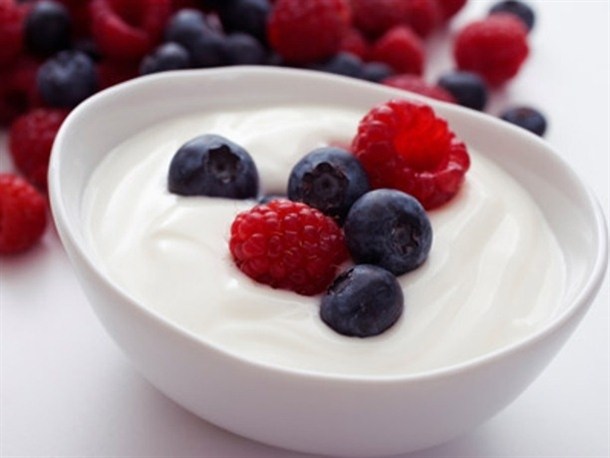
Yoghurt Boosts Sexual Performance


Researchers at the Massachusetts Institute of Technology have made a surprising discovery that yoghurt boosts sexual performance of male mice and even increases the size of their testes! This was an unexpected result as they were actually studying the influence of probiotic diets on obesity. However, the yoghurt eating mice had 10x the active follicle density - giving them thicker, shiny hair, 5-15% heavier testes, faster insemination of their partners, and even developed a "male swagger" pointing their testes outwards. Females eating the yoghurt gave birth to larger litters and were more efficient at weaning their pups. Now researchers at Harvard University are studying the link between yoghurt intake and semen quality in humans with similar results. Source: The Week.

Thursday, May 17, 2012

The Pill - What All Women Should Know


The Pill is a convenient and effective contraceptive of synthetic, powerful hormones (various combinations of oestrogen and progesterone) used to override and suppress the body’s own production of these hormones. As a result, ovulation does not occur as the ovaries are suppressed and the eggs unused. These hormones are involved in cell replication, bone density and the body’s production of other hormones, such as DHEA and testosterone.

What many women don't know are the unwanted side effects of the Pill which are more common than women realise and become accumulative in nature as most women stay on the Pill for years at a time. These include:
Vitamin and mineral deficiencies. I advise all women taking the Pill to take a multivitamin each day but unfortunately the Pill actually affects how these are absorbed as well. Palan PR et al, American Journal of Obstetrics & Gynecology 2006 v194:e35-e38
Increased copper and vitamin A storage, so that there is a risk of toxicity from too much.
Increased risk of blood clots and high blood pressure: do not smoke whilst on the Pill!
Increased pigmentation of the skin, causing brown skin marks.
Decreased liver clearance ability, impairing liver function, causing a build up of toxicity in the body
Increased risks of reproductive cancers. Meta-analysis of case-control studies has found that use of oral contraceptive drugs is associated with an increased risk of premenopausal breast cancer, especially with use before first full-term pregnancy in parous women. Kahlenborn C, Modugno F, Potter DM et al. Mayo Clin Proc 2006; 81 (10): 1290-1302.
Reactivation of the body’s production of hormones upon cessation of the Pill may be delayed or dysfunctional, causing hormonal irregularity and imbalance as well as infertility
When used for purposes other than contraception, it does not correct the underlying causes of the hormonal dysfunction that will reemerge once the Pill is stopped.
Increased tendency to develop vaginal infections including candida.
Can trigger or exacerbate migraines and/or headaches.

Cautions to be aware of:
Antibiotics, anti-epileptics, anti-fungals, vomiting, severe diarrhoea decrease its effectiveness: additional contraceptive measures should be employed during this time!
Do not smoke whilst on the OCP as blood clotting is increased significantly by both the Pill and smoking. Spontaneous, fatal heart attacks and strokes of seemingly healthy women in their 20-30 years have been reported when using both drugs.

FemCap

A women's hormone-free, safe, effective and easy-to-use contraceptive that actually works! FemCap is a reusable, latex-free, FDA-approved contraceptive cervical cap. It’s easy to insert and remove yourself, not as bulky and more effective than a diaphragm and doesn’t need to be fitted by a gynaecologist. It’s not sold in Australia yet as our market here is so small but easily available with comprehensive notes & DVD by post.  www.femcap.com

Natural Contraception

Claudette also teaches Natural Contraception using temperature and cervical mucus charting together with your lunar dates. From her clinic, Claudette sells the Natural Fertility Management kits for both conception and contraception as well as helping women re-establish hormonal balance and regular cycles again after coming off the Pill, breastfeeding, around menopause and other hormonal conditions affecting the reproductive system such as PCOS, endometrisois, fibroids, period pain, fertility problems or a total absence of periods. http://www.claudettewadsworth.com.au/womenshealth/